
The extraction of metals has traditionally been dominated by mining, a process that is both resource-intensive and environmentally challenging. However, with the rise of sustainable technologies, hydrometallurgy has emerged as a powerful alternative. Understanding the unit economics of these two approaches is essential for industries aiming to balance profitability with sustainability.
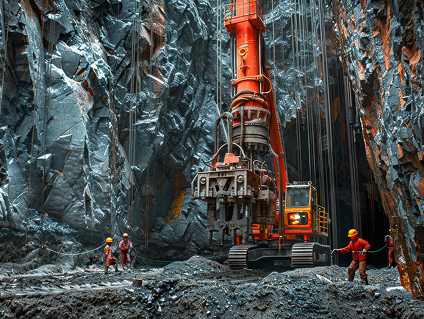
Traditional mining involves extracting ores from the earth, followed by crushing, grinding, and high-temperature processing. This method requires significant capital investment, large-scale infrastructure, and extensive energy consumption. Additionally, ore grades are declining globally, meaning more material must be processed to extract the same amount of metal, increasing costs and environmental impact.
Hydrometallurgy, on the other hand, uses aqueous chemistry to extract metals from ores, concentrates, or recycled materials like e-waste. This process typically operates at lower temperatures, consumes less energy, and produces fewer emissions. It is particularly effective for recovering metals from low-grade sources or complex waste streams.
From a unit economics perspective, hydrometallurgy offers several advantages. First, the input material—such as e-waste—is often cheaper or even considered waste, reducing raw material costs. Second, the process can achieve higher recovery rates for certain metals, improving yield and profitability. Third, lower energy requirements translate into reduced operational expenses.
However, hydrometallurgy is not without challenges. It requires precise chemical control, specialized knowledge, and investment in research and development. Additionally, scaling these processes to industrial levels can be complex.
Despite these challenges, the long-term economic outlook strongly favors hydrometallurgy, especially in a world moving toward sustainability. Regulatory pressures, carbon pricing, and environmental concerns are making traditional mining increasingly expensive and less attractive.
In summary, while mining remains essential for primary resource extraction, hydrometallurgy is redefining the economics of metal recovery. It offers a more efficient, cost-effective, and environmentally friendly solution, particularly when combined with urban mining and recycling strategies.