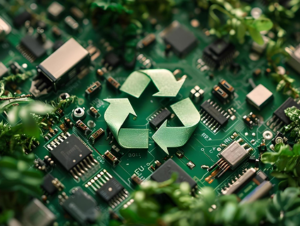

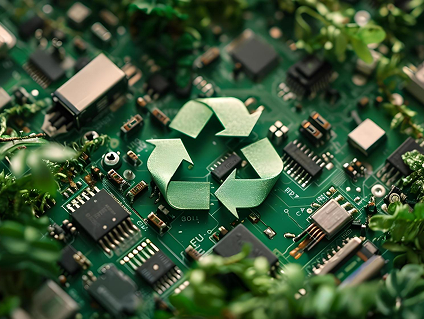
The world is facing an escalating waste crisis, with global e-waste projected to exceed 82 million tonnes annually in the coming years. This staggering figure highlights not only an environmental emergency but also a systemic failure in how we manage and recover valuable resources.
The rapid pace of technological advancement has significantly shortened the lifecycle of electronic devices. Consumers frequently upgrade to newer models, leaving behind a growing mountain of obsolete electronics. Without proper recycling systems, this waste accumulates in landfills or is processed in unsafe, informal sectors.
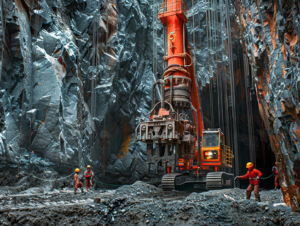
The consequences are severe. Toxic chemicals from e-waste contaminate soil, water, and air, posing serious health risks to communities. At the same time, valuable materials worth billions of dollars are lost, forcing industries to rely more heavily on traditional mining.
Solving this crisis requires a multi-faceted approach. First, improving collection systems is crucial. Many regions lack the infrastructure to gather and process e-waste efficiently. Governments and private sectors must collaborate to establish accessible and organized collection networks.
Second, investment in advanced recycling technologies is essential. Innovations such as hydrometallurgical processes, bioleaching, and AI-driven sorting can significantly improve recovery rates and reduce environmental impact.
Third, policy and regulation play a critical role. Extended Producer Responsibility (EPR) policies can hold manufacturers accountable for the lifecycle of their products, encouraging eco-friendly design and recycling initiatives.
Public awareness is another key factor. Consumers must be educated about responsible disposal and the importance of recycling electronics. Small behavioral changes can collectively have a massive impact.
Finally, the concept of a circular economy must be embraced at a global level. Products should be designed for durability, repairability, and recyclability. By keeping materials in use for as long as possible, we can drastically reduce waste generation.
The 82 million tonne crisis is not just a challenge—it is an opportunity to rethink and redesign our systems. With the right combination of technology, policy, and awareness, it is possible to transform this crisis into a sustainable future.